How New Developments Win Buyers Before Breaking Ground
The strongest launches do not wait for a finished building. They make the future property understandable, credible, and easy to act on now.
May 2026 · 6 min read
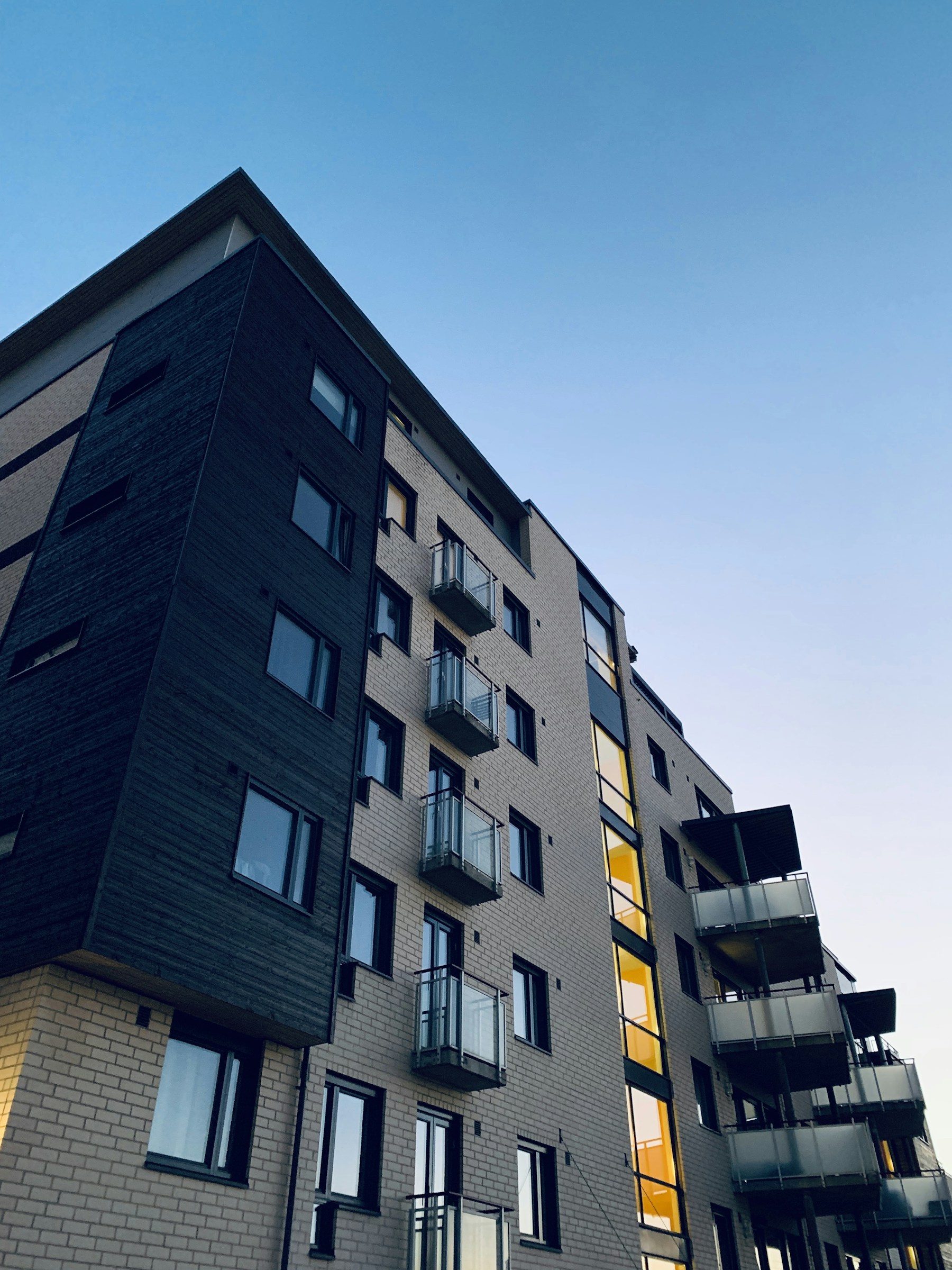
Selling before completion asks a buyer to commit to something they cannot walk through yet. That changes the job of the website. It is not simply a gallery for polished renderings; it is the place where uncertainty gets answered.
Developers often have plenty of material but no clear order: a logo, several renderings, a neighborhood map, a long amenities list, and a registration form. A buyer sees fragments. The better approach is to build one convincing story from those pieces.
Start with the reason this project belongs here
Before floor plans and finishes, define the project's place in the market. Who is it for, what does it offer that nearby inventory does not, and why does that matter in this neighborhood? The answer should be specific enough that a broker can repeat it without checking a deck.
“Luxury living” is not positioning. A quieter block near a major transit line, family-sized layouts in a market full of studios, or a hospitality-level service model are positions. They give every headline, rendering, and sales conversation a useful point of view.
A clear positioning statement answers:
- 01Who is the most likely buyer or renter?
- 02What practical or emotional problem does the property solve?
- 03Which two or three features truly separate it from nearby options?
- 04What should a prospect remember after closing the page?
Use renderings to answer questions, not decorate pages
A dramatic exterior image earns attention, but it rarely carries the full sale. Buyers also need to understand light, proportion, views, circulation, storage, materials, and how shared spaces will feel in daily use. Choose every rendering because it answers one of those questions.
Label images honestly and keep visual decisions consistent. If the kitchen finish shown online differs from the current specification, the sales team inherits a trust problem. A small, well-managed set of accurate images is more persuasive than a large gallery assembled from changing design rounds.
Build proof into the launch sequence
A pre-construction campaign gains credibility in layers. Start with the development story and a clean registration page. Add approved renderings and floor plans as they become final. Follow with construction updates, availability, broker materials, and answers to recurring questions from early leads.
This sequence gives the sales team a reason to contact prospects again without sending the same generic follow-up. It also shows visible progress, which matters when the finished property is still months away.
Before paid traffic begins, confirm:
- 01The project promise is stated in one plain sentence.
- 02The hero image reflects the actual product and current design.
- 03Neighborhood, residence, amenity, and team information are easy to find.
- 04The form asks only for information the sales team will use.
- 05Every inquiry has an owner and a follow-up time expectation.
- 06Campaign links and form submissions are tracked from day one.
Treat registration as the beginning of the sales experience
The thank-you page, confirmation email, and first human reply are part of the brand. Tell the prospect what happens next, who will contact them, and when. If floor plans or a brochure are available, deliver them immediately rather than making the buyer ask twice.
A polished launch cannot compensate for a lead sitting untouched for three days. Marketing and sales should agree on the handoff before the form goes live, including how broker inquiries, buyer inquiries, and general questions are routed.
The takeaway
Pre-construction marketing works when every asset reduces uncertainty. Lead with a sharp market position, show the future property accurately, release proof in useful stages, and make the first response feel as considered as the building.